
Pindorama Suit
Rongwrong invites curator Estelle Nabeyrat for a group exhibition with works by :
Alberto Baraya, Pauline Bastard, Pierre Leguillon, Pedro Neves Marques,
Daniel Steegmann, Julia Rometti & Victor Costales
07 April - 06 May 2012
~ ~ ~ ~ ~
What trampled over truth was the cloth, the impermeable between the inner and the outer world. Reaction against the dressed human. American movie will inform. Children of the sun, mother of the living. Fiercely met and loved, with all the hypocrisy of nostalgia, by immigrated, slaves and tourists. In the country of the big snake. That is because we never had grammars or collections of old vegetables. And we never knew what was urban, suburban, frontier and continental. Lazy people on the world map of Brazil. A participating consciousness, a religious rhythmic.*
Oswald de Andrade, from Cannibal Manifesto, 1928
The tropical forest is often considered an inhospitable and otherworldly. Its mythology incorporates a cultural duality: on the one hand, there is an impulse to rationalize this territory by scientific and (semi) scientific approaches, such as cataloguing and compartmentalizing - on the other, there is the desire to consider it a place of wilderness and freedom.
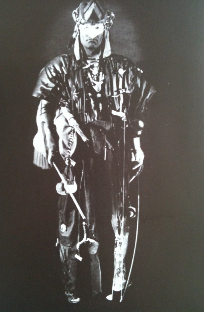
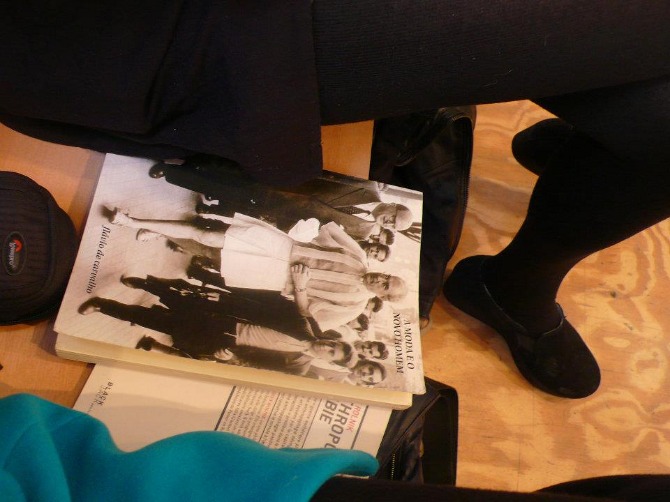
Already in 1956, Brasilian artist and architect Flavio De Carvahlo problematized this duality, by presenting and performing a 'tropical suit' (New Look: Summer Fashion for a New Man of the Tropics).
As totally opposite to the traditional business suit, Carvahlo's transgressive design included a skirt and a lace collar, suited for tropical heat. Bringing forward the legacy of the Anthropophagia avant-garde group that played with notions of "cultural cannibalism", this was a strongly political and ironical gesture.
Pindorama Suit brings together works that deal in a singular way with the legacy of Anthropophagia.
Through investigations and manipulations of natural elements, the artists constantly question the modernist imagery of authenticity and classification.
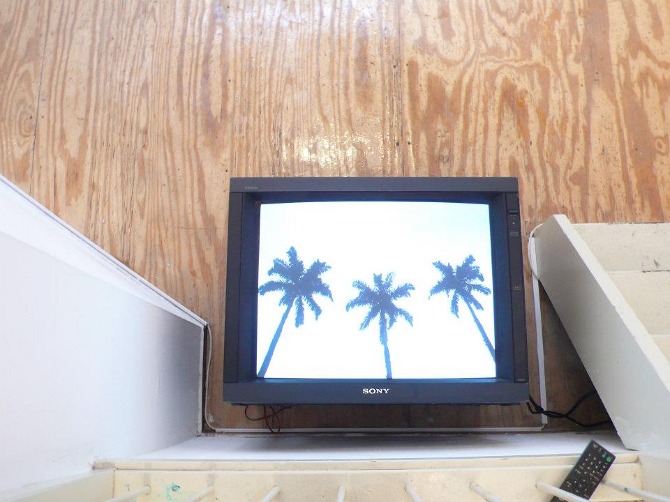
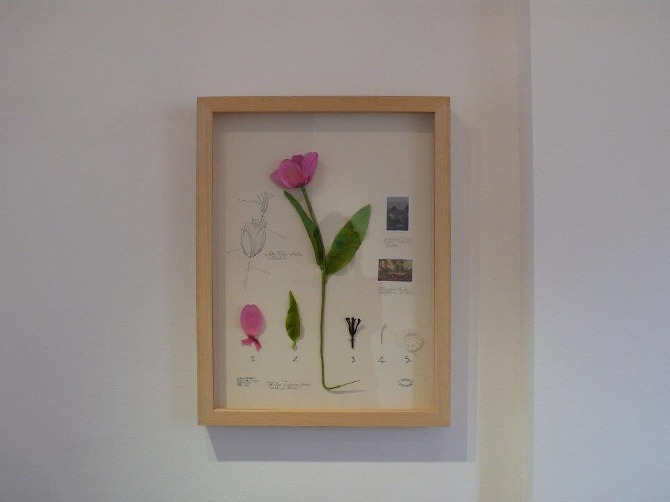
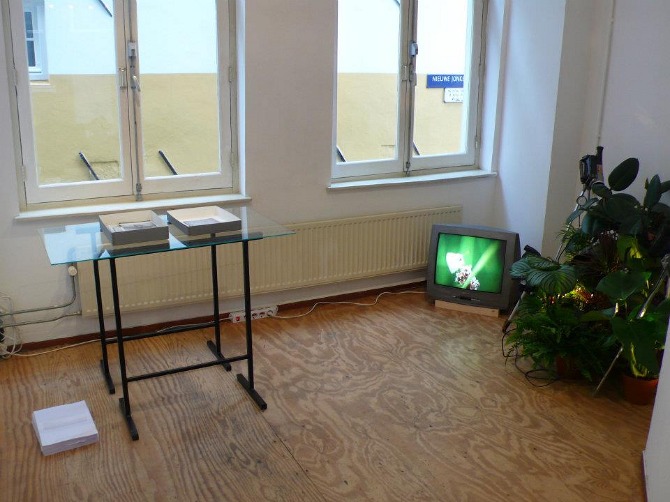
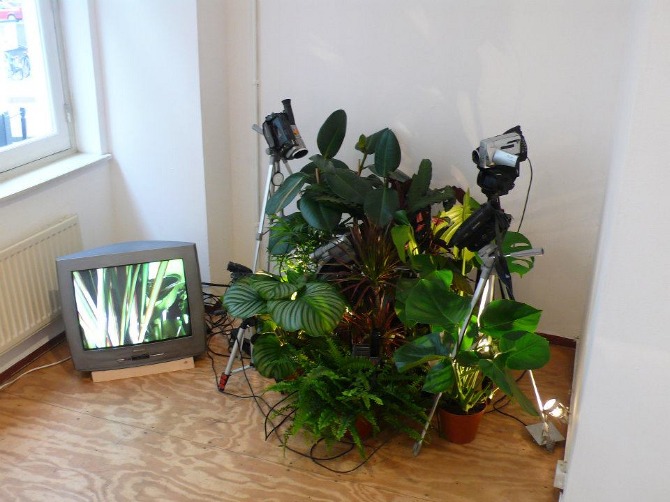
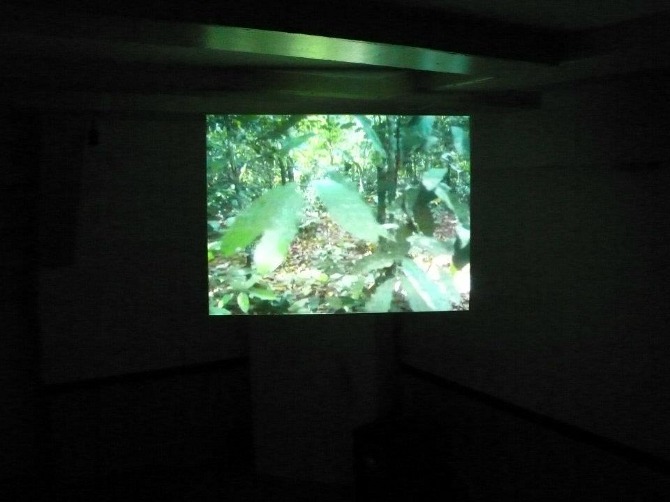
Operating on the bridge of biological observations, the works in the exhibition stage a confrontation with natural and falsified environments, re-introducing perception as a tool : the movement of a video camera is guided by the sound of birds ; an artificial flower scientifically dissected and incorporated as a specimen in a classical herbarium ; photographs of the tropical forest appear like flashes that draw no possible distinction between the natural and the artificial.
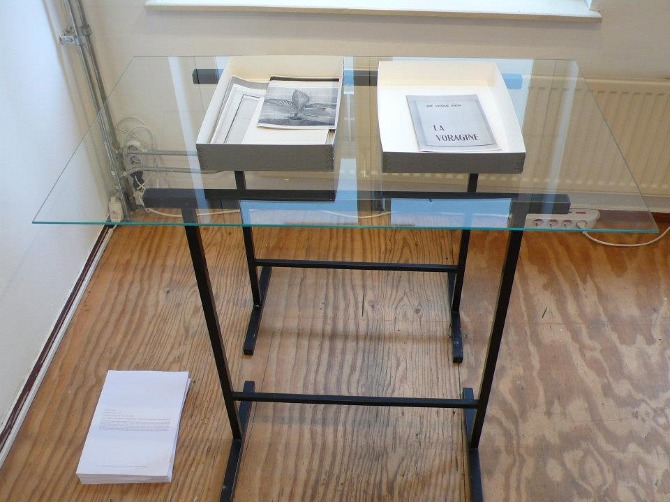
The artists redefine concepts of collecting, classifying and archiving nature in a poetical, playful and political key, challenging the cultural approaches of nature as a body of knowledge and of the sensible.
AC / AZ / EN
~ ~ ~ ~ ~
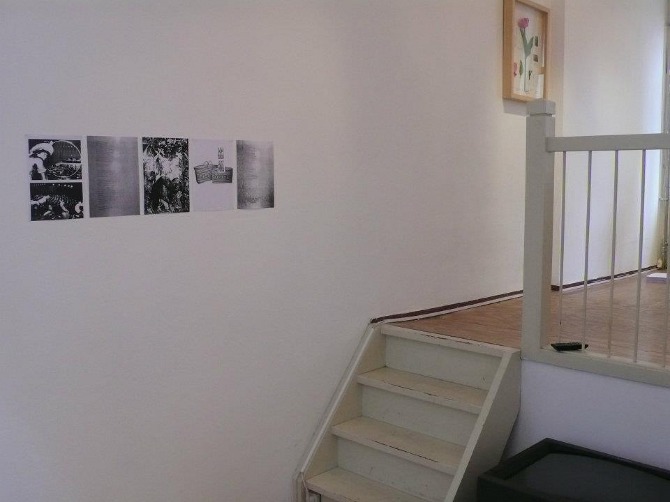
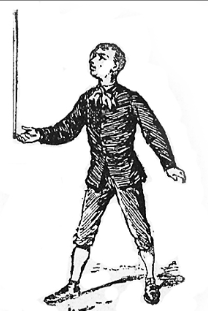
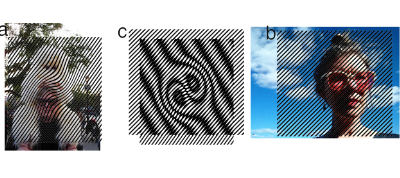
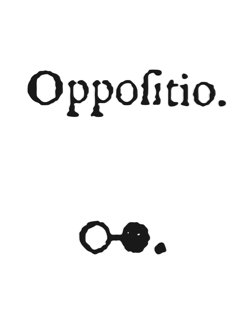
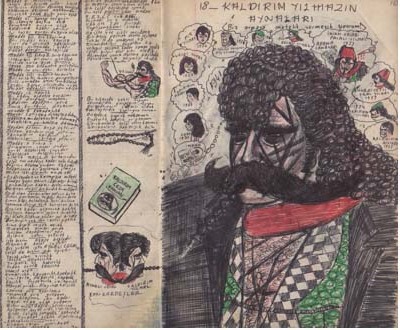
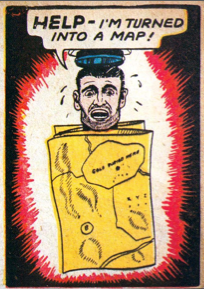
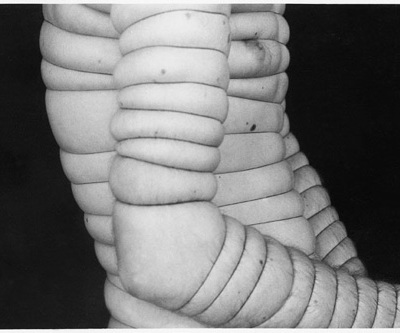
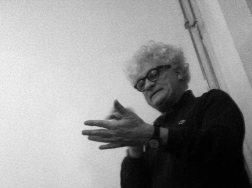
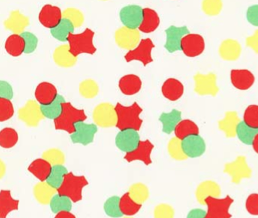
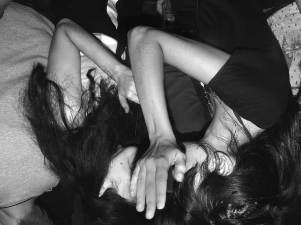
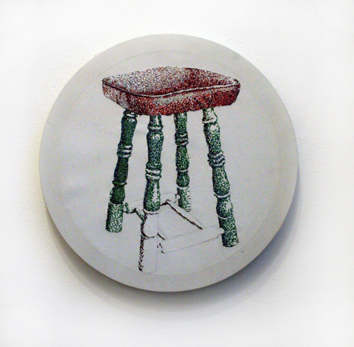
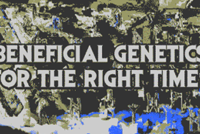
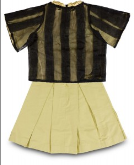
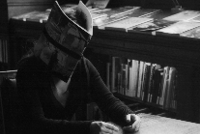
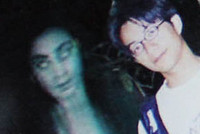
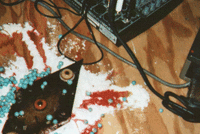
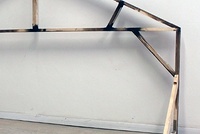
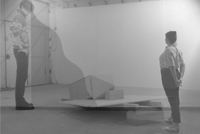
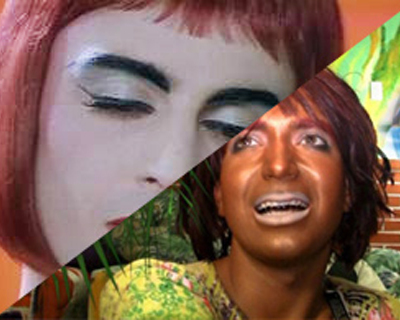
from top to bottom :
Pedro Neves Marques ~ Pierre Leguillon ~ Alberto Barraya ~ Victor Costales & Julia Rometti ~ Pauline Bastard ~ Daniel Steegman ~ Oswald de Andrade
~ ~ ~ ~ ~
Pindorama Suit is part of a research project initiated by Estelle Nabeyrat in 2011 at Capacete Entretenimentos, Rio de Janeiro, Brasil.
On April 15th, a talk with Pedro Neves Marques, Where to Sit at the Dinner Table; Which Clothes to Wear; and How to Dress Up Accordingly.
Estelle Nabeyrat is a french-german curator and art critic mostly based in Paris. She graduated in History of art (La Sorbonne, Paris) and in Cultural Studies (University of Leipzig). in 2001-02 she participated in the curatorial program of Le Magasin (Grenoble) and has since curated several shows in France, Germany and the United States. She writes regularly for Kaleidoscope (It), Mouvement (Fr), Zeroquatre (Fr) and L'art Même (be).
Made possible with financial support by the Institut Francais.

Pindorama * : Tupi** word for 'Land of the palms', natives name for Brazil.
Tupi ** : Familly of languages spoken in South America prior to and during european colonialisation.
Alberto Baraya, Pauline Bastard, Pierre Leguillon, Pedro Neves Marques,
Daniel Steegmann, Julia Rometti & Victor Costales
07 April - 06 May 2012
~ ~ ~ ~ ~
What trampled over truth was the cloth, the impermeable between the inner and the outer world. Reaction against the dressed human. American movie will inform. Children of the sun, mother of the living. Fiercely met and loved, with all the hypocrisy of nostalgia, by immigrated, slaves and tourists. In the country of the big snake. That is because we never had grammars or collections of old vegetables. And we never knew what was urban, suburban, frontier and continental. Lazy people on the world map of Brazil. A participating consciousness, a religious rhythmic.*
Oswald de Andrade, from Cannibal Manifesto, 1928
The tropical forest is often considered an inhospitable and otherworldly. Its mythology incorporates a cultural duality: on the one hand, there is an impulse to rationalize this territory by scientific and (semi) scientific approaches, such as cataloguing and compartmentalizing - on the other, there is the desire to consider it a place of wilderness and freedom.
Already in 1956, Brasilian artist and architect Flavio De Carvahlo problematized this duality, by presenting and performing a 'tropical suit' (New Look: Summer Fashion for a New Man of the Tropics).
As totally opposite to the traditional business suit, Carvahlo's transgressive design included a skirt and a lace collar, suited for tropical heat. Bringing forward the legacy of the Anthropophagia avant-garde group that played with notions of "cultural cannibalism", this was a strongly political and ironical gesture.
Pindorama Suit brings together works that deal in a singular way with the legacy of Anthropophagia.
Through investigations and manipulations of natural elements, the artists constantly question the modernist imagery of authenticity and classification.
Operating on the bridge of biological observations, the works in the exhibition stage a confrontation with natural and falsified environments, re-introducing perception as a tool : the movement of a video camera is guided by the sound of birds ; an artificial flower scientifically dissected and incorporated as a specimen in a classical herbarium ; photographs of the tropical forest appear like flashes that draw no possible distinction between the natural and the artificial.
The artists redefine concepts of collecting, classifying and archiving nature in a poetical, playful and political key, challenging the cultural approaches of nature as a body of knowledge and of the sensible.
AC / AZ / EN
~ ~ ~ ~ ~
from top to bottom :
Pedro Neves Marques ~ Pierre Leguillon ~ Alberto Barraya ~ Victor Costales & Julia Rometti ~ Pauline Bastard ~ Daniel Steegman ~ Oswald de Andrade
~ ~ ~ ~ ~
Pindorama Suit is part of a research project initiated by Estelle Nabeyrat in 2011 at Capacete Entretenimentos, Rio de Janeiro, Brasil.
On April 15th, a talk with Pedro Neves Marques, Where to Sit at the Dinner Table; Which Clothes to Wear; and How to Dress Up Accordingly.
Estelle Nabeyrat is a french-german curator and art critic mostly based in Paris. She graduated in History of art (La Sorbonne, Paris) and in Cultural Studies (University of Leipzig). in 2001-02 she participated in the curatorial program of Le Magasin (Grenoble) and has since curated several shows in France, Germany and the United States. She writes regularly for Kaleidoscope (It), Mouvement (Fr), Zeroquatre (Fr) and L'art Même (be).
Made possible with financial support by the Institut Francais.
Pindorama * : Tupi** word for 'Land of the palms', natives name for Brazil.
Tupi ** : Familly of languages spoken in South America prior to and during european colonialisation.